Unlocking Retention Through Mission Structures and Level Designs in Reel Entertainment Systems
Written by Bianca Roth · Oct 31, 2026
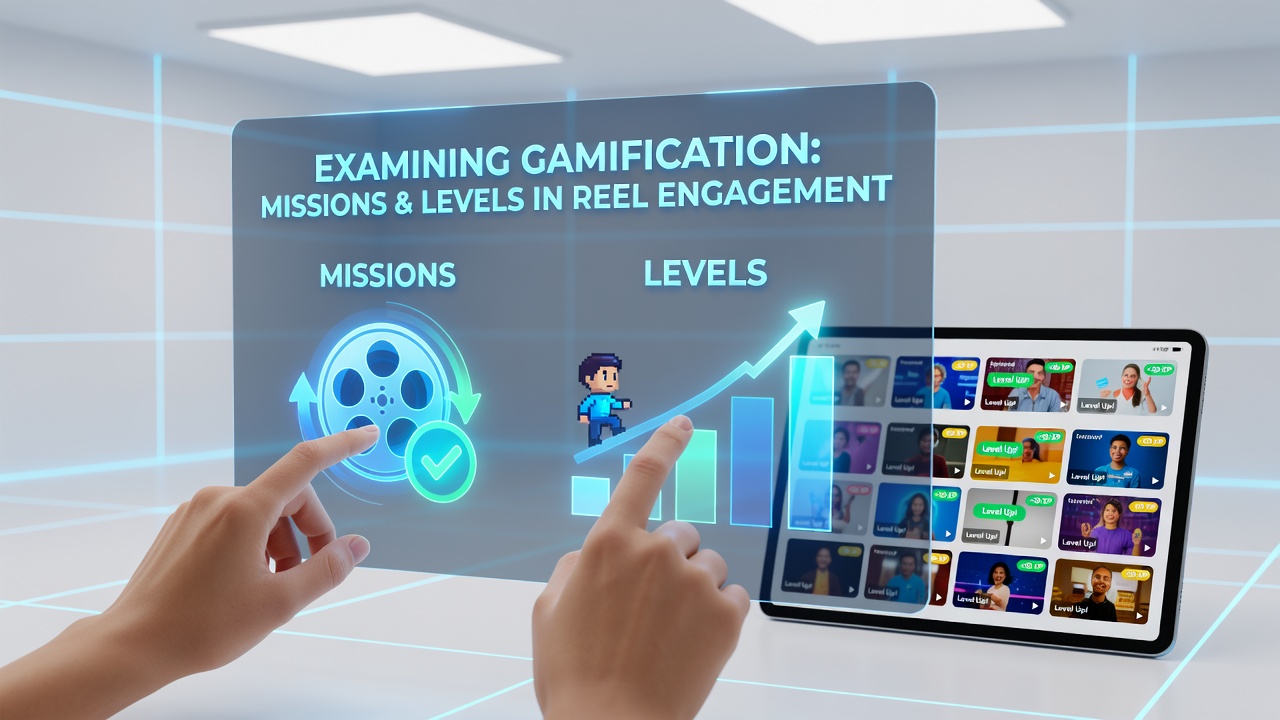
Unlocking Retention Through Mission Structures and Level Designs in Reel Entertainment Systems
Reel-based entertainment platforms have incorporated structured missions and tiered level systems to reshape how users interact with spinning mechanisms and symbol combinations. These elements operate alongside core gameplay loops, providing incremental objectives that range from completing specific symbol alignments within set spins to advancing through cumulative achievement thresholds.
Core Components of Mission Design in Reel Environments
Missions typically present users with targeted tasks such as triggering a designated number of bonus rounds or accumulating points across multiple sessions, and they integrate directly with the random number generator outputs that govern reel stops. Data from industry tracking platforms indicate that sessions featuring active mission prompts show extended play durations compared to those without such overlays, because the additional layer connects individual spins to broader progression arcs.
Level designs build on these missions by introducing cumulative rewards that unlock at predetermined milestones, and this structure draws from established gamification frameworks used in other digital entertainment sectors. Observers note that level advancement often includes visual indicators like progress bars and badge collections, which update in real time as users meet criteria tied to bet sizes, spin counts, or feature activations.
Engagement Patterns Across Different Reel Formats
Research compiled by the University of Nevada Reno's gaming innovation lab reveals measurable differences in session metrics when missions and levels appear in both traditional video reel setups and cluster-based variants, with the former showing higher repeat visit rates after level thresholds are crossed. Players who reach mid-tier levels tend to maintain consistent activity across weekly intervals, whereas entry-level participants exhibit more variable return patterns according to aggregated platform analytics.
What's notable is how these systems adapt to seasonal updates, and as of October 2026 several major operators introduced refreshed mission sets aligned with calendar events to sustain momentum in user bases. Such adjustments connect mission objectives to themed reel modifications, creating temporary boosts in feature engagement without altering the underlying probability models.
Technical Implementation and Reward Distribution
Developers embed these gamification layers through backend tracking that logs user actions against predefined criteria, then distributes rewards via in-game currency, free spin allotments, or multiplier enhancements that apply to subsequent reel outcomes. The process relies on secure data pipelines that separate progression data from core random outcomes, ensuring compliance with regional technical standards set by bodies such as the Nevada Gaming Control Board.

Case examples from European operators demonstrate that tiered levels incorporating social sharing options generate additional referral traffic, since users can broadcast milestone achievements through connected accounts. This external visibility loop feeds back into platform growth while keeping the primary focus on individual reel interaction sequences.
Comparative Analysis with Non-Gamified Reel Experiences
Platforms that have tested parallel versions of the same reel titles, one with missions and levels active and one without, report distinct behavioral divergences in user cohorts. The version containing progression elements records higher average spins per session and increased feature trigger frequency, because the overlaid objectives encourage experimentation with different bet configurations and payline selections.
Industry reports from the Canadian Gaming Association highlight similar trends across multiple provinces, where operators observed sustained activity spikes following the rollout of mission-driven updates in October 2026. These patterns hold across demographic segments, although the rate of level advancement varies based on session frequency and average stake levels.
Future Trajectories for Progression Mechanics
Emerging integrations combine mission systems with adaptive difficulty scaling, where level requirements adjust based on historical performance data collected from individual accounts. This personalization keeps objectives calibrated to user skill curves while preserving the random integrity of reel mechanics, and it draws from algorithmic approaches refined through academic studies on digital engagement.
Cross-platform compatibility continues to expand, allowing progression data to transfer between mobile and desktop reel interfaces without resetting accumulated levels or mission status. Such continuity supports longer-term retention cycles, as users maintain momentum regardless of device shifts during daily routines.
Conclusion
Mission structures and level frameworks have become embedded features within reel-based entertainment, supported by measurable shifts in session metrics and retention indicators across multiple markets. Technical implementations maintain separation between progression tracking and core probability systems, while reward distributions align with established regulatory frameworks outside the UK. Ongoing refinements, including seasonal mission refreshes noted in October 2026, indicate continued evolution of these elements in response to user behavior data.