Feature Purchase Dynamics: Tracing Compensation Trends Across Multi-Device Gaming Systems
Written by Ben Ludwig · Oct 17, 2026

Feature Purchase Dynamics: Tracing Compensation Trends Across Multi-Device Gaming Systems
Feature purchase systems allow players to access bonus rounds directly through predefined credit outlays rather than through standard base game progression and operators track these transactions separately on each platform to monitor performance metrics. Research from multiple jurisdictions shows that these mechanisms operate under fixed return-to-player percentages yet actual outcomes vary based on session volume and device type with data indicating mobile environments often record higher engagement rates during peak hours. Observers note that payout sequences in these systems follow statistical distributions tied to the underlying random number generators which remain consistent regardless of interface while player selection patterns differ between desktop sessions and handheld devices.
Core Mechanics of Feature Purchases
These systems calculate buy prices using formulas that incorporate the expected value of the triggered bonus combined with the base game's overall return metrics and developers adjust these figures to maintain regulatory compliance across regions. Data from industry reports reveals that hit frequencies in purchased features tend to cluster around predetermined ranges although variance appears higher when players switch between platforms mid-session. Those who've examined transaction logs find that desktop users complete purchases at steadier intervals whereas mobile sessions show more sporadic activity linked to shorter play windows.
Platform-Specific Variations in Outcomes
Multi-platform environments introduce variables such as screen resolution processing speed and input methods that influence how players interact with purchase prompts yet the core algorithms stay identical. Studies compiled by research institutions demonstrate that compensation patterns remain statistically equivalent when normalized for stake size but raw frequency counts diverge because mobile interfaces encourage quicker decision cycles. Experts have observed that cross-device synchronization features introduced in recent updates allow seamless session transfers without altering the payout probability tables.
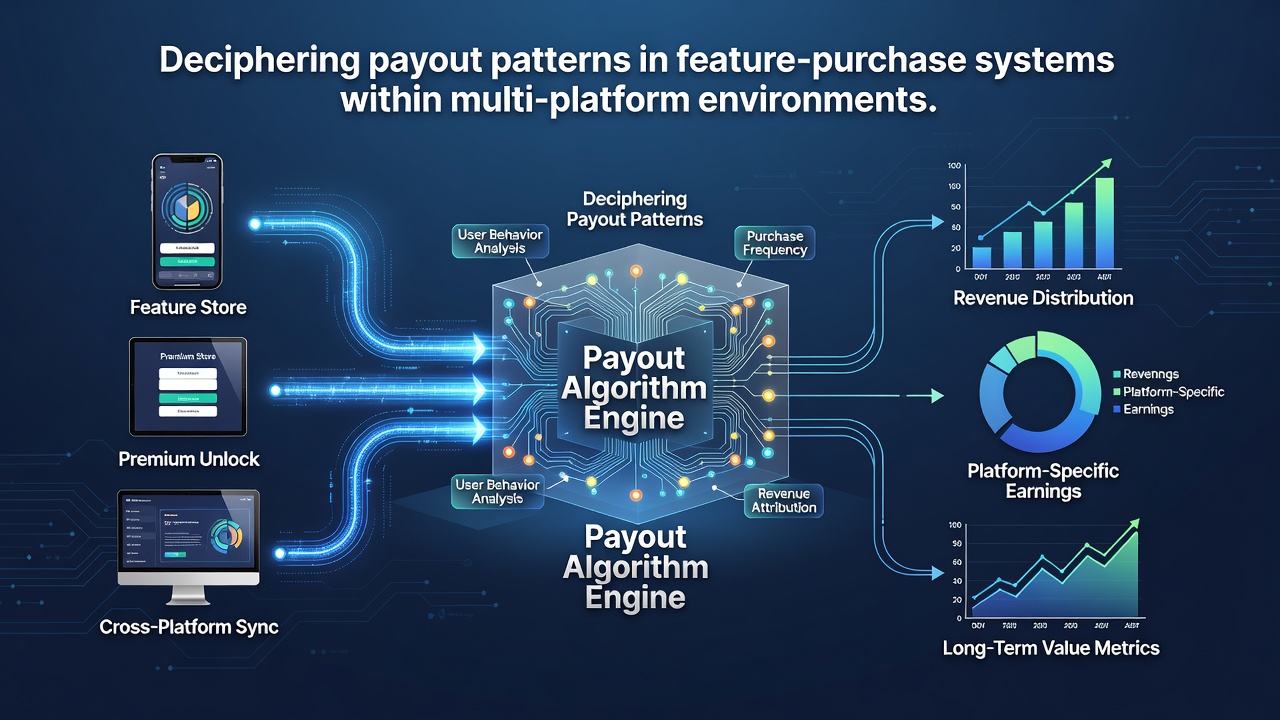
October 2026 brought updated reporting requirements from several oversight bodies outside the United Kingdom which prompted operators to publish aggregated feature purchase data segmented by device category. Figures released through these channels indicate that tablet users generate intermediate volumes between mobile and desktop cohorts with payout averages aligning closely once sample sizes exceed several thousand transactions. Analysts at the Nevada Gaming Control Board have documented similar consistencies in licensed markets where multi-platform titles undergo separate certification for each hardware configuration.
Analytical Approaches to Pattern Identification
Researchers apply regression models and time-series analysis to isolate variables that affect realized returns in feature purchases and these methods reveal correlations between session length and outcome clustering. Academic papers from institutions in Canada and Australia highlight that platform-specific user interfaces can shift the distribution of purchase timing without modifying the underlying probability engine. One study revealed that players accessing titles through web-based portals exhibit different retry behaviors compared to native app users leading to measurable differences in aggregate spend per feature activation.
Industry organizations such as the European Gaming and Betting Association have compiled datasets showing that payout trails in these systems follow predictable long-term curves when examined across thousands of sessions yet short-term fluctuations remain inherent to the design. Observers note that multi-platform operators use centralized servers to enforce uniform rules while logging device metadata separately for compliance audits. What's interesting is how these logs enable identification of platform-driven anomalies without requiring changes to the random number generator itself.
Regulatory and Technical Considerations
Government agencies in various jurisdictions mandate transparency around feature pricing and expected returns which leads developers to publish detailed probability disclosures for each supported platform. Data from the Australian Communications and Media Authority indicates that cross-device titles maintain equivalent return metrics although presentation layers adapt to hardware constraints. Those who've reviewed certification processes find that testing protocols now include multi-platform simulations to verify consistent behavior under load.
Conclusion
Pattern analysis in feature purchase systems continues to evolve as operators refine data collection across devices and the available evidence points to stable underlying mathematics despite surface-level differences in player interaction. Continued monitoring from regulatory bodies and academic researchers supplies the factual basis for understanding how these mechanisms perform in real multi-platform settings and future updates will likely expand the granularity of available metrics.