Cascade Effects and Symbol Unifications: Powering Continuous Play in Cluster Reel Systems
Written by Ben Ludwig · Sep 5, 2026
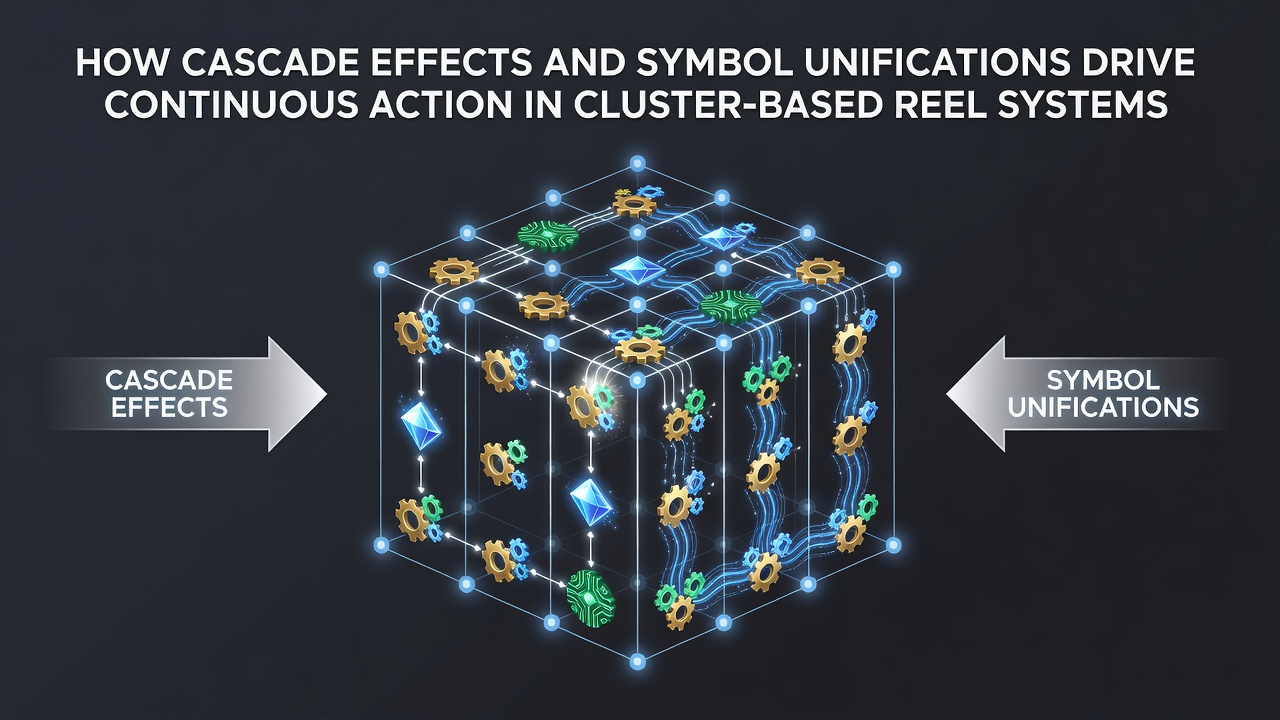
Cascade Effects and Symbol Unifications: Powering Continuous Play in Cluster Reel Systems
Cluster-based reel systems operate differently from traditional payline slots because winning combinations form when matching symbols group together in adjacent positions rather than along fixed lines, and this setup creates opportunities for extended sequences of action through cascade effects and symbol unifications. Research from gaming technology firms indicates that these mechanics generate multiple outcomes from single spins by removing winning clusters and allowing new symbols to drop into place.
Cluster Pays as the Foundation
Cluster pays mechanics rely on groups of identical symbols connecting horizontally or vertically, and data from industry reports shows that minimum cluster sizes typically range from five to nine symbols depending on the game design. Observers note that this structure replaces the rigid structure of paylines with dynamic formations that appear anywhere on the grid. Those who've analyzed player engagement patterns find that clusters encourage repeated visual scanning across the entire reel area because formations can emerge in unexpected locations.
How Cascade Effects Extend Sequences
Cascade effects trigger when a winning cluster disappears from the reels, and new symbols fall from above to fill the gaps created by the removal. Studies on slot mathematics reveal that this process repeats as long as new clusters form after each drop, and the chain continues without requiring an additional wager. Game developers implement varying drop speeds and animation timings to maintain visual clarity during these sequences, while the underlying random number generator determines each new symbol arrangement independently.
One developer who integrated cascade features reported that average sequence lengths increased by measurable margins compared to standard spin-and-stop formats. The reality is that each cascade step recalculates winning combinations across the updated grid, which means a single initial cluster can lead to three, four, or more successive evaluations before the reels stabilize.
Symbol Unifications and Their Role
Symbol unifications occur when adjacent identical symbols merge into larger single entities or when special wild symbols transform nearby positions to match existing clusters. According to technical documentation from several software providers, unification rules vary by title but often include multipliers that apply when symbols combine during a cascade sequence. This mechanic adds layers to the outcome calculation because merged symbols occupy one position yet represent multiple original symbols for payout purposes.

Engineers design unification triggers to activate at specific thresholds, and those thresholds create predictable yet variable patterns that influence how long a cascade chain can extend. Research indicates that games incorporating both cascades and unifications show higher frequencies of multi-step sequences than those using only one of the two features.
Interaction Between Cascades and Unifications
The combination of cascade effects and symbol unifications produces continuous action because each removal step creates space for new symbols while unification rules can instantly enlarge existing groups or form new ones. Figures from Nevada Gaming Control Board analyses of electronic gaming devices demonstrate that titles featuring both mechanics deliver extended play sessions per spin compared to simpler formats. What's interesting is that the order of operations matters: some systems evaluate unifications before cascades begin, while others apply merges after each drop completes.
Take one case where experts examined a cluster game with progressive multipliers attached to unification events, and they found that chain lengths averaged higher when unification occurred mid-cascade rather than only at the start. This interaction keeps the grid in flux longer because merged symbols often remain in place for subsequent drops, blocking or enabling new connections depending on their positioning.
Technical Implementation Considerations
Software teams program these systems using grid-based collision detection that tracks symbol positions after every removal and drop. Data shows that processing multiple evaluation cycles per spin requires optimized code to maintain smooth performance across desktop and mobile platforms. Australian gambling research institutions have documented how regulatory testing procedures verify that random outcomes remain independent even when cascade chains produce several payouts from one initial spin.
September 2026 brought updates to certain certification standards that now require clearer display of ongoing cascade sequences, and operators adjusted interface elements accordingly. Those who've studied these changes note that the visual feedback during extended chains helps players track how each unification and removal contributes to the final result.
Player Experience Patterns
Observers tracking session data across multiple jurisdictions report that cluster systems with cascade and unification features generate more frequent small-to-medium outcomes within single spins. This pattern differs from traditional slots where each spin resolves in one evaluation cycle. The ball's on the developer's court to balance the frequency of long chains against overall return percentages, and mathematics teams adjust symbol distributions to achieve target hit rates.
People often discover that watching a cascade unfold creates anticipation because each new drop carries the potential for additional unifications. Yet the underlying probabilities stay fixed regardless of how many steps occur in sequence.
Conclusion
Cascade effects and symbol unifications work together in cluster-based reel systems to convert single spins into sequences of continuous action through repeated evaluations and symbol transformations. Research indicates that the mechanics depend on grid updates after each winning removal, and unification rules add further layers by merging or expanding symbol groups mid-sequence. Data from regulatory bodies and technical reports confirm that these features increase the number of outcome checks per spin while maintaining independent random results for each new symbol arrangement. The integration of both elements produces the extended chains that define this category of games.